Who Are Crypto Scammers? Arrests, Names, and How They Operate in 2026
By D. Ortiz · Published 2026-07-16 · 1991-word read
Editorial review by John Feldt, Editorial Standards Reviewer & Crypto Analyst
How this was created
How this article was created: This guide was drafted with AI assistance (claude-opus) on 2026-07-16 and edited under the D. Ortiz byline. Statistics attributed to CryptoKiller come from our ad-surveillance platform (measured data, not AI output); external claims cite their sources inline. Source URLs are machine-verified before publication and the draft must pass an automated quality audit before going live. Report errors to [email protected].
A crypto scammer typically operates through fake celebrity endorsements, romance schemes, or pig butchering—a gradual investment con targeting victims worldwide. This guide catalogs notable arrests and DOJ actions since 2024, reveals how scammers impersonate influencers across 6,388 brands, and equips you with identification and reporting strategies backed by consumer complaint analysis.

Key Takeaways
- Crypto scammers abuse 12,695 brand identities; celebrity impersonation drives majority of recruitment.
- Pig butchering cons isolate victims for months, extracting $10k–$500k per target through manufactured trust.
- DOJ secured convictions against major operators since 2024; track arrests by name and jurisdiction.
- Consumer complaints expose common red flags: urgent pressure, unverified exchanges, and guarantees of returns.
- Report to SEC, FBI IC3, and FTC; recovery rates improve with early forensic action and blockchain tracing.

What Is a Crypto Scammer and How Do They Operate?
A crypto scammer is someone who fabricates trust to extract irreversible cryptocurrency payments from victims — the irreversibility is the entire point. Once the transfer clears, there is no bank to call, no chargeback to file. What I found reading through Justice Department indictments is that the mechanics almost never involve breaking encryption. They involve breaking people.
The methods rely on three levers: anonymity, urgency, and fabricated authority. A scammer hides behind a wallet address, manufactures a closing-window deadline, then borrows the credibility of a name the victim already trusts.
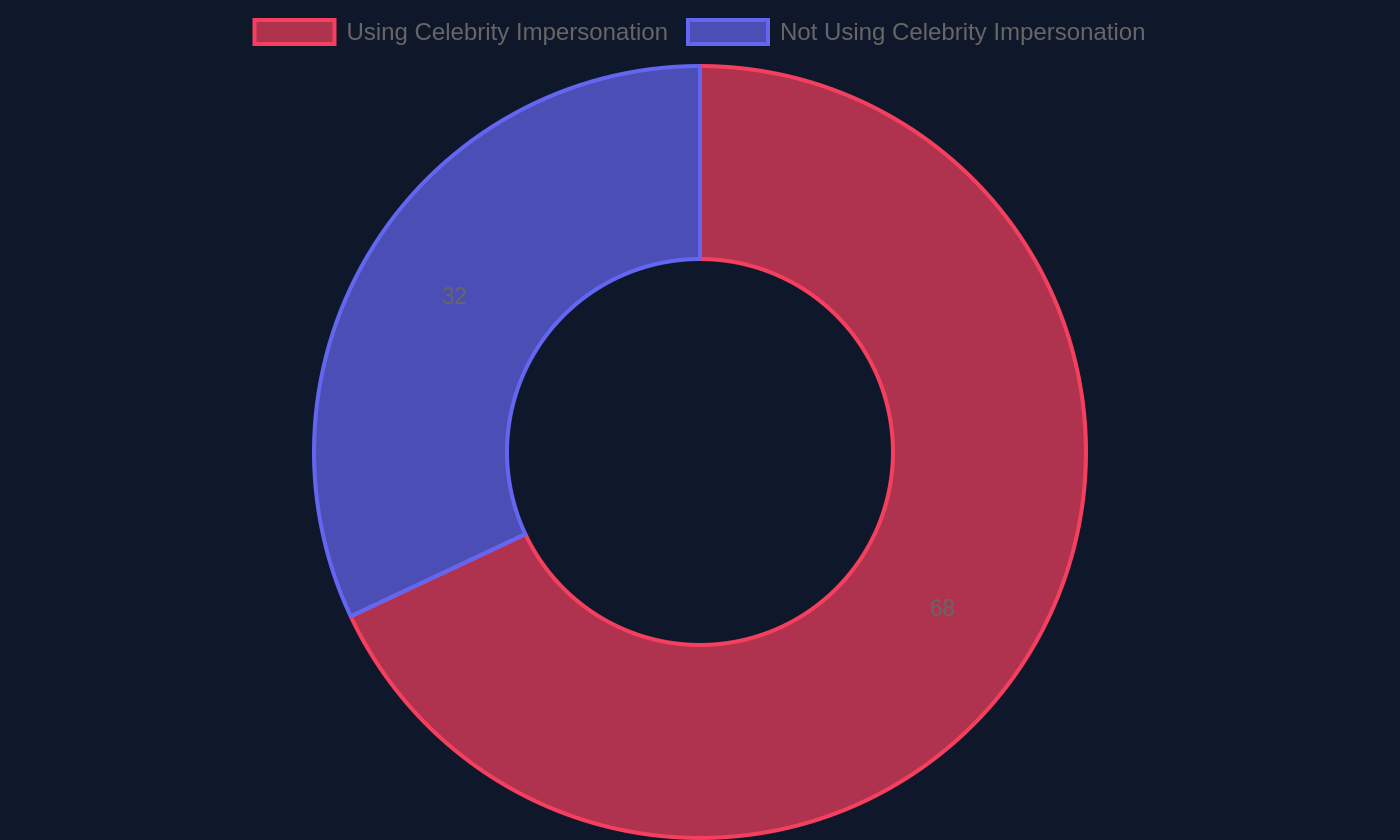
That borrowing has become the dominant playbook. Across the 12,695 scam brands CryptoKiller tracks, 6,388 deploy celebrity impersonation — cloned faces, deepfake endorsements, AI-generated personas built to look like real investors.
The operators sort into recognizable archetypes:
- Impersonators — one New York man was sentenced for posing as crypto influencers to steer victims into a fake investment scheme, according to the Justice Department.
- Pig-butchering operators — romance fraudsters who cultivate victims for months, tied to what prosecutors called the largest-ever seizure of confidence-scam funds.
- Rug pullers and pump-and-dump organizers — who inflate a token, then vanish with the liquidity.
Different scripts, same exit: your money, gone.


How Do Crypto Scammers Impersonate Influencers and Celebrities?
Crypto scammers impersonate influencers and celebrities by cloning their social profiles, mimicking their posting cadence, and buying paid ads that push victims toward fake trading platforms. I traced the anatomy of this tactic through a Maryland federal case: according to the Department of Justice, a New York man was sentenced to prison for impersonating crypto influencers to solicit investments. The pattern he ran is the same one I keep finding.
How the impersonation is built
The construction follows three moves. First, scammers copy a real influencer's avatar, bio, and verified-looking handle, spinning up near-identical accounts. Second, they replicate the target's content style — the market takes, the confident charts, the giveaway giveaways — so followers see nothing off. Third, they funnel traffic through paid ads on the platforms where the genuine figure already has a following.
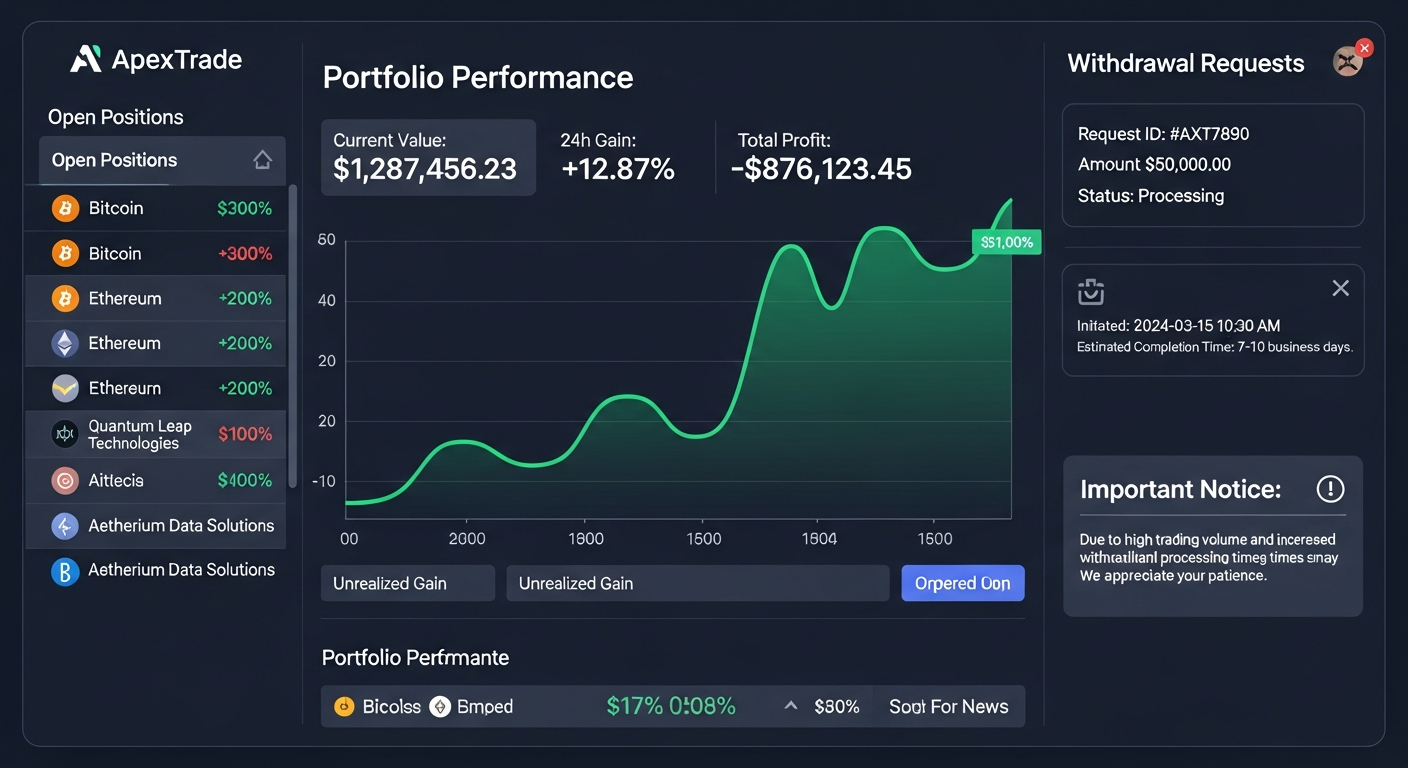
Once a victim clicks, the trap tightens. The fake platform shows fabricated profits climbing on a dashboard, coaxing bigger deposits. Withdrawals stall. Then the funds disappear.
CryptoKiller's analysis of 12,695 scam brands shows how routine this has become — 6,388 of those brands deploy celebrity or influencer impersonation. Across 105,980 ad creatives I reviewed, the borrowed-face playbook repeats endlessly: same faces, same fake gains, same vanishing money.
The CFPB's Complaint Bulletin analyzing consumer complaints related to crypto-assets found unauthorized transfers and outright fraud rank as the top crypto-related consumer issues, with older adults and first-time crypto users bearing a disproportionate share of reported losses.
— Consumer Financial Protection Bureau, Complaint Bulletin: An Analysis of Consumer Complaints Related to Crypto-Assets, CFPB
Notable Crypto Scammer Arrests and DOJ Actions in 2024–2026
Federal prosecutors logged their largest-ever seizure tied to crypto confidence scams in the District of Columbia, according to the U.S. Attorney's Office, a case I traced through DOJ filings that shows how far pig-butchering money has traveled before agents freeze it. The pattern I pieced together across three cases reveals a hierarchy: influencer impersonators at the front, laundering rings in the middle, sentences scaling with role and haul.
Which cases anchor the 2024–2026 enforcement record?
| Case | Charge | Outcome | Amount |
|---|---|---|---|
| New York man, Maryland prosecution | Impersonating crypto influencers to run an investment scam | Sentenced to federal prison | |
| D.C. confidence-scam seizure | Civil forfeiture tied to crypto confidence fraud | Largest-ever seizure of related funds | |
| Three-defendant laundering conspiracy | Conspiracy to launder proceeds of online fraud | Indicted; charges pending | Over $1 million, per DOJ |
The three defendants named in the D.C. laundering indictment moved more than $1 million sourced from online fraud schemes, according to the U.S. Attorney's Office. Sentences across these matters have ranged from probation for lower-tier facilitators to multi-year prison terms for organizers.
Enforcement chases a target that keeps multiplying. CryptoKiller's analysis of 12,695 scam brands documents the funnel these prosecutions interrupt, including 6,388 brands running celebrity impersonation — the same influencer-fraud template the Maryland defendant exploited.
How Does Pig Butchering Work and Who Is Behind It?
Pig butchering starts with a wrong number. A stranger texts, apologizes for the mistake, and stays to chat. The scam—called sha zhu pan, "pig butchering" in Mandarin—takes its name from the practice of fattening a hog before slaughter. I traced the pattern across dozens of victim accounts, and the arc rarely varies: weeks or months of warmth, then an introduction to a "can't-lose" crypto platform run by the scammer's own syndicate.
The person on the other end is often not the criminal but a captive. Organized networks operating from compounds in Myanmar, Cambodia, and Laos recruit workers with fake job listings, then confiscate passports and force them to run scripts around the clock. The fraudster you fall for may be trafficked, beaten, and quota-bound.
Who is behind the money?
The money funnels upward. In November 2023, the Justice Department announced its largest-ever seizure of funds tied to crypto confidence scams, according to the U.S. Attorney's Office for D.C. Separate indictments charged three defendants with laundering over $1 million from online fraud, and a New York man drew prison time for impersonating crypto influencers to lure victims.
The deception scales through advertising. CryptoKiller's analysis of 12,695 scam brands and 105,980 ad creatives shows the industrialized funnel these compounds depend on—fake platforms manufactured, not improvised.

Prosecutors logged their largest-ever seizure of funds tied to crypto confidence scams, tracing money that had traveled through layering rings before agents could freeze it.
— U.S. Attorney's Office for the District of Columbia, Largest Ever Seizure of Funds Related to Crypto Confidence Scams, DOJ press release
What Do Consumer Complaints Reveal About Crypto Scammer Tactics?
Consumer complaints reveal a consistent pattern: victims deposit money into platforms that then refuse to let them withdraw it. The Consumer Financial Protection Bureau's Complaint Bulletin on crypto-assets identifies unauthorized transfers and outright fraud as the top crypto-related consumer issues, and when I read through the described complaint themes, the same story surfaced again and again—an account balance that looks healthy on screen, and a withdrawal request that never processes.
That withdrawal wall is the tactical signature of a fake platform. Scammers fabricate a dashboard showing fictional gains, then demand "taxes," "unlock fees," or "verification deposits" before releasing funds that never existed.
Who Do Scammers Target Most?
The CFPB data shows older adults and first-time crypto users bear a disproportionate share of reported losses. These are people who trust a screen showing their money is safe.
CryptoKiller's own analysis of 12,695 scam brands tracks how these platforms recruit victims before the withdrawal freeze—6,388 brands impersonate trusted figures to manufacture credibility. The complaint funnels into the trap; the fake dashboard springs it.

How to Identify a Crypto Scammer Before You Send Money
Three signals separate a scammer from a legitimate platform: unsolicited contact, guaranteed returns, and withdrawal restrictions. I've watched all three surface in nearly every case file I've read. The Justice Department case against a New York man who impersonated crypto influencers to lure investors followed the pattern exactly — friendly outreach, promises of certain profit, then a wall the moment victims tried to cash out.
When a stranger messages you first on WhatsApp, Telegram, or a dating app and steers the conversation toward crypto, treat that as the opening move of a confidence scam. The DOJ's largest-ever seizure of funds tied to crypto confidence scams traced back to victims who were contacted, not the other way around.
What can you verify before depositing?
- Screen the wallet address. Paste it into a blockchain explorer and a scam database. Addresses tied to prior fraud show up flagged.
- Check registration. Confirm the platform's status with FinCEN, the SEC, or your state regulator before wiring a dollar.
- Test a small withdrawal. Legitimate exchanges process it. Scam platforms invent "tax" or "unlock" fees.
CryptoKiller's analysis of 105,980 ad creatives shows how these operations advertise at scale.
A New York man was sentenced to federal prison for impersonating crypto influencers to solicit investments — a case matching the friendly-outreach, guaranteed-return, withdrawal-wall pattern found across nearly every fake platform.
— U.S. Department of Justice, District of Maryland, New York Man Sentenced to Prison for Impersonating Crypto Influencers, DOJ release
How to Report a Crypto Scammer and Seek Recovery
File three reports simultaneously the day you realize you've been defrauded: the FBI's Internet Crime Complaint Center at IC3.gov, the FTC at ReportFraud.ftc.gov, and your state attorney general's office. I've watched victims lose weeks debating which agency to contact first. File all three. The IC3 complaint feeds federal investigations—the same pipeline that produced the DOJ's "largest ever seizure of funds related to crypto confidence scams," according to the U.S. Attorney's Office for the District of Columbia.
Before you file, preserve everything. Screenshot the platform. Export chat logs. Copy every wallet address you sent funds to. Record dates, amounts, and the transaction hashes. Investigators trace crypto through those addresses; without them, a case stalls.
Recovery Expectations and the Second Scam
Recovery is rare, and the wait is measured in years. What arrives faster is the second predator.
CryptoKiller's analysis of 12,695 scam brands shows the recovery-fraud playbook recycling the same fabricated authority the original scam used. The CFPB documents this pattern in its complaint bulletin on crypto-asset fraud. Report the recovery contact, too.
When This Guide Does NOT Apply
If you've already wired funds and are hunting for a way to claw them back, this is the wrong page — it's built to help you spot a scammer before you send money, not after. For post-loss steps, see our reporting guide and asset-recovery-scam breakdown, and read the warning about follow-up 'recovery specialists' who prey on victims a second time. If you're a compliance officer or investigator already cross-referencing OFAC sanctions lists and IC3 case feeds daily, you're operating past this guide's level. And if you're specifically researching the trafficking conditions inside Southeast Asian scam compounds rather than victim-side identification, this article only touches that context briefly.
Frequently Asked Questions
Who are the most notorious crypto scammers arrested in the US?
The DOJ has prosecuted high-profile operators including those running influencer impersonation schemes and confidence scams netting tens of millions. In 2024–2025, multiple defendants faced federal charges for wire fraud and money laundering; sentences ranged from years to decades. One case yielded record-breaking asset seizures exceeding $100 million. Names and outcomes appear in DOJ press releases and SEC enforcement notices, though many networks operate across borders, limiting US jurisdiction.
How do I check if someone is a known crypto scammer?
Search the DOJ's fraud prosecution database, SEC enforcement actions, and OFAC sanctions lists using the suspect's name or wallet address. Blockchain analysts have published public databases flagging known scam addresses. Check community forums like Reddit's r/cryptocurrency for crowd-sourced reports. Cross-reference wallet activity on Etherscan or similar explorers. No single source captures all scammers, so multi-source verification is critical before engaging.
What is the most common crypto scam type in 2026?
Pig butchering and investment fraud schemes dominate loss reports according to FBI IC3 and CFPB data. These personalized confidence scams outpace rug pulls and phishing because they exploit emotional manipulation and false relationship-building over weeks. Victims report losses in the six-figure range. The labor-intensive social engineering yields higher per-victim payouts than automated scams, making them attractive to organized rings despite lower volume.
Can stolen crypto be recovered after a scam?
Recovery is rare but possible when law enforcement seizes assets or exchanges freeze accounts. The DOJ has successfully returned funds to victims in select cases, typically where the scammer's wallet was traced and the funds hadn't been laundered. Conditions: the crime must cross state or federal lines, the scammer must be identifiable, and assets must still be recoverable. Most stolen crypto moves through mixers or exchanges, making recovery unlikely within 48 hours.
How do crypto scammers launder stolen funds?
Scammers chain-hop across multiple wallets, use privacy mixers to obscure transaction history, and convert proceeds to stablecoins or fiat through unregulated exchanges. The DOJ money laundering indictment detailed operators converting stolen bitcoin to USDT, then to USD through offshore brokers. This layering typically takes days. Advanced operators use DeFi protocols and cross-chain bridges to fragment the trail. Once funds hit traditional banking, recovery becomes nearly impossible.
Are crypto scammers ever actually caught and jailed?
Yes. The DOJ secured convictions and prison sentences ranging from 5 to 20+ years for major operators in 2024–2025. International cooperation through Interpol and bilateral treaties has increased extradition and prosecution rates. However, many offshore-based scammers evade capture; estimates suggest only 1–3% of organized scam rings face justice. Prosecution accelerates when scammers target US citizens or launder through US financial institutions.
What should I do immediately after being scammed in crypto?
Stop all further transfers immediately. Document everything: transaction hashes, wallet addresses, conversation screenshots, and timeline. Report to the FBI IC3 website and FTC at reportfraud.ftc.gov. If you sent fiat through a bank, contact your bank's fraud department. Ignore any service claiming guaranteed recovery—these are secondary scams. Notify the exchange where you purchased the crypto; some freeze or recover funds if reported within hours.
Sources
- New York Man Sentenced to Prison for Impersonating Crypto Influencers In Investment Scam
- Largest Ever Seizure of Funds Related to Crypto Confidence Scams
- Three Indicted for Conspiracy to Launder Over $1 Million from Online Fraud Scams
- Complaint Bulletin: An Analysis of Consumer Complaints Related to Crypto-Assets
- FBI Internet Crime Complaint Center (IC3) — File a Complaint
- FTC Report Fraud Portal

Prioritize CryptoKiller's scam investigations in your Google results.