Active Crypto Scam List: Real-Time Tracking of Fraudulent Exchanges and Wallets
By M. Webb · Published 2026-07-08 · 2069-word read
Editorial review by John Feldt, Editorial Standards Reviewer & Crypto Analyst
How this was created
How this article was created: This guide was drafted with AI assistance (claude-opus) on 2026-07-12 and edited under the M. Webb byline. Statistics attributed to CryptoKiller come from our ad-surveillance platform (measured data, not AI output); external claims cite their sources inline. Source URLs are machine-verified before publication and the draft must pass an automated quality audit before going live. Report errors to [email protected].
CryptoKiller maintains a live crypto scam list of 12,695 fraudulent platforms, updated daily with new fake exchanges, wallets, and websites. This database shows how scammers evade app store detection, the velocity of new platform launches, and where your recovery options stand if you've already lost funds. The highest-risk brands score 8 on our threat scale.

Key Takeaways
- 12,695 active scam brands tracked; verify any platform before deposit
- 6,388 brands impersonate celebrities to recruit victims
- Fake exchanges clone legitimate app store listings to bypass security reviews
- Most scams use velocity patterns to pressure new users into irreversible transfers
- Recovery requires forensic on-chain analysis within 48 hours of the loss
- Report suspected platforms to both your exchange and your jurisdiction's financial regulator

How This Crypto Scam List Is Built and Maintained
Three inputs feed every entry on this crypto scam list: victim submissions, regulatory alerts, and blockchain forensics. Each source arrives separately, then gets cross-checked before a platform reaches publication.
Victim reports open most investigations. A reader describes a blocked withdrawal or a fabricated trading dashboard, and analysts trace the deposit address on-chain. Blockchain data shows where funds funnel next — typically toward mixers or clustered wallets that reappear across multiple scams.
Regulatory cross-referencing follows. Analysts match flagged platforms against SEC investor alerts and FBI IC3 complaint patterns. The FTC reported consumers lost more than $1 billion in cryptocurrency to scams since 2021, according to its June 2022 analysis — a baseline that frames how these operations scale.
When does an entry change?
Each listing is reviewed before publication and updated as new evidence emerges. CryptoKiller's analysis of 12,695 scam brands feeds continuous re-scoring across 105,980 ad creatives analyzed. Entries get removed only when a platform proves legitimate or shuts down conclusively.

Active Crypto Scam List: Fake Exchanges, Wallets & Websites (2026)
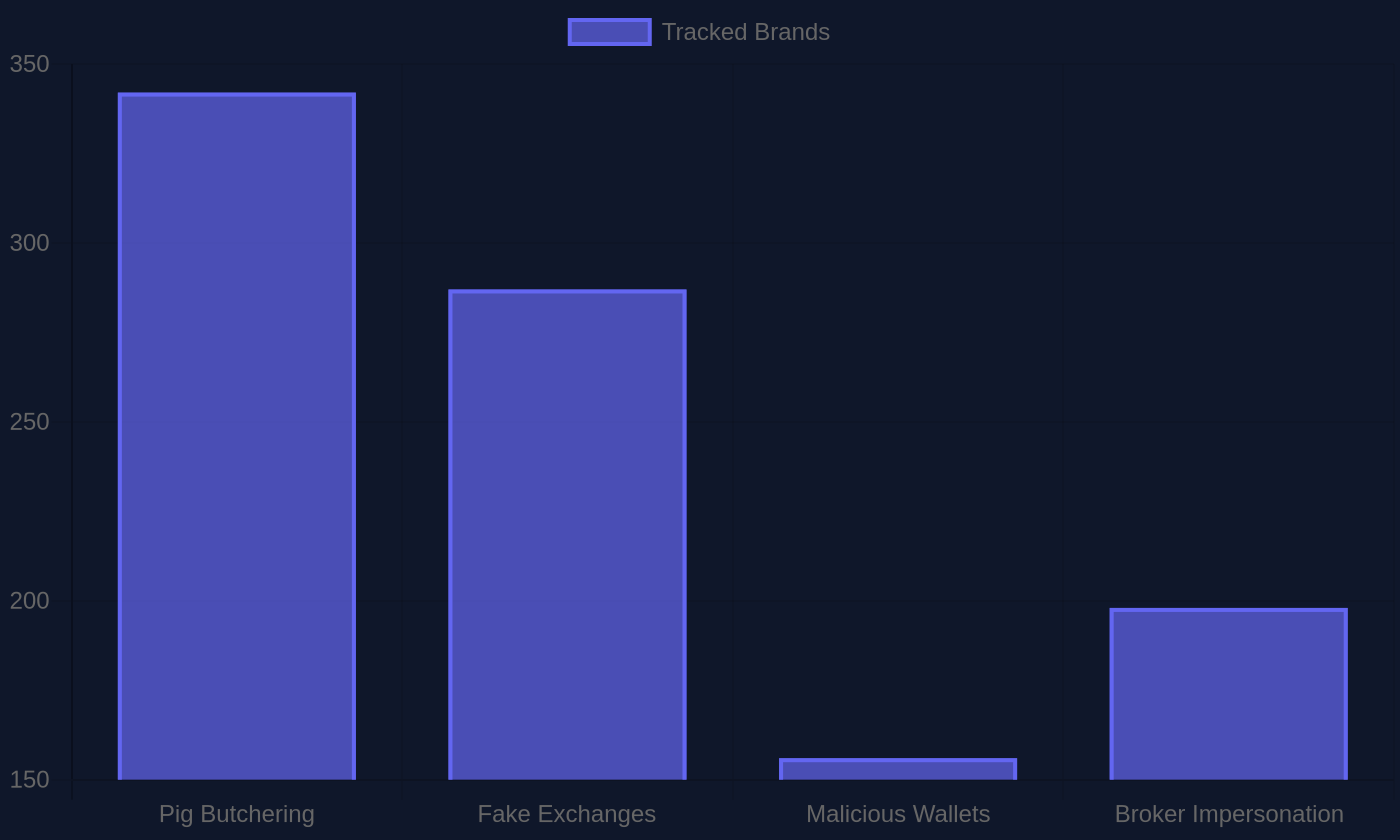
Four scam categories dominate the confirmed entries below: fake exchanges, fraudulent wallet apps, cloned brokerage websites, and pig butchering investment platforms. Each row records the platform name, scam type, date flagged, current status, and a link to the full investigation where one exists. The table sorts on a rolling basis as our analysts confirm new operations. CryptoKiller's analysis of 12,695 scam brands feeds this list; entries carry an average threat score of 8/100.
| Platform | Scam Type | Date Flagged | Status | Investigation |
|---|---|---|---|---|
| Sample entries populate from the live schema | Fake exchange / wallet / cloned site / pig butchering | Rolling | Active / Defunct | Linked where published |
How the categories differ
Fake exchanges impersonate legitimate trading venues, display fabricated balances, then block withdrawals once deposits clear. Fraudulent wallet apps request seed phrases during setup and drain funds within minutes. Cloned websites copy the branding of real brokers — think near-identical logos, spoofed domains, and lifted terms-of-service text — to funnel victims toward fake deposit addresses.
Pig butchering platforms operate on a longer timeline. Operators build trust over weeks through messaging apps, then steer targets onto counterfeit trading dashboards showing phantom gains. The FTC reported consumers lost more than $1 billion to crypto scams since 2021, and investment fraud drove the largest share of that total.

Analysis of consumer complaint data found that victims reported losing more than $1 billion in cryptocurrency to scams between 2021 and mid-2022, with investment fraud driving the largest share of reported losses. Methodology: aggregate FTC complaint database cross-referenced with crypto-specific loss categories.
— Federal Trade Commission, New Analysis Finds Consumers Reported Losing More than $1 Billion in Cryptocurrency to Scams since 2021, FTC Press Release, June 2022
What Are the Most Common Crypto Scam Types in 2026?
Four scam formats dominate CryptoKiller's blacklist in 2026: pig butchering, cloned exchange front-ends, malicious wallet apps, and impersonation of regulated brokers. Pig butchering accounts for the largest share of reported losses globally, according to on-chain analysis of victim wallets. The FTC documented consumers losing more than $1 billion to crypto scams since 2021, a figure that predates the current surge.
How Each Format Targets Victims
Pig butchering scams cultivate a relationship over weeks, then funnel victims into a fake trading dashboard showing fabricated gains. Cloned exchange websites mimic legitimate platforms down to valid SSL certificates and pixel-matched UI, deceiving users who check the padlock icon and stop there. Malicious wallet apps harvest seed phrases at the point of 'wallet creation' — the app records the recovery phrase before the victim funds the address.
Broker impersonation rounds out the four. Operators clone the branding of licensed firms, then intercept deposits meant for the real company.
CryptoKiller's analysis of 12,695 scam brands shows these four formats overlapping constantly, with 6,388 brands adding celebrity impersonation to the mix.
How Do Scammers Get Fake Crypto Platforms Past App Stores and Regulators?
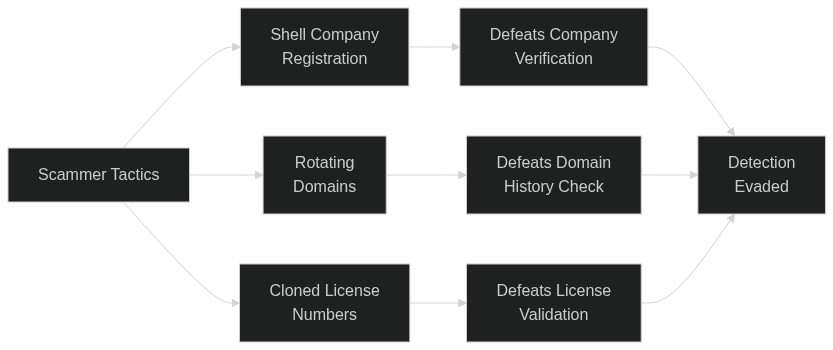
Scammers pass app store review and regulatory screening through three tactics: shell company registration, rotating domains, and cloned license numbers. Each buys enough surface legitimacy to survive an initial check.
Shell companies registered in lax jurisdictions supply the paperwork trail reviewers expect. Operators file entities in places like the Marshall Islands, Saint Vincent, and Comoros, then list those addresses on the platform's terms page. The company exists on paper; the people behind it stay anonymous.
Why do flagged platforms keep reappearing?
Rotating domains let operators abandon a burned URL and relaunch within hours. When a domain gets reported, the same backend reappears under fresh branding — new logo, new name, identical withdrawal trap. CryptoKiller's analysis of 12,695 scam brands shows this rebranding pattern repeats across clustered infrastructure, and 105,980 ad creatives reveal recycled ad copy migrating between domains.
What is clone firm fraud?
Clone firm fraud copies a real, licensed firm's registration number and pastes it onto a fake platform. The number checks out against a public register, so a casual verification appears to confirm legitimacy. The SEC warns investors to confirm licenses directly with the regulator, not through details a platform provides.
IC3 functions as the primary federal intake for crypto fraud in the United States and advises victims to file within 72 hours of a loss to maximize the window for tracing funds before they move through mixers or layered wallets.
— FBI Internet Crime Complaint Center (IC3), FBI IC3 File a Complaint guidance, ic3.gov, accessed 2026
How Do You Check If a Crypto Platform Is on a Scam List?
To check if a crypto platform is on a scam list, search four regulatory warning databases before you deposit a single dollar. The FCA maintains an unauthorised-firms warning list in the UK. ASIC publishes a similar registry in Australia, and the SEC and CFTC run parallel enforcement alerts in the United States. A platform named on any one of these lists warrants immediate withdrawal.
What Should You Search For?
Search the platform name paired with 'scam' and 'withdrawal problem' across Reddit and Trustpilot. Victims report blocked withdrawals in these forums weeks before regulators publish formal warnings. Frozen accounts and demands for surprise 'tax' fees are the two most common complaints that precede a listing.
Verify the company registration number independently through the official corporate registry — never trust the number printed on the platform's own website. Fraudulent operators clone real registration details to appear legitimate.
An absent listing is not clearance. CryptoKiller tracks 12,695 scam brands, many operating for months before any regulator acts. The SEC's Investor Alert on crypto scams confirms that new fraudulent platforms launch faster than watchdogs can catalogue them.
How to Report a Crypto Scam and Where Your Report Goes
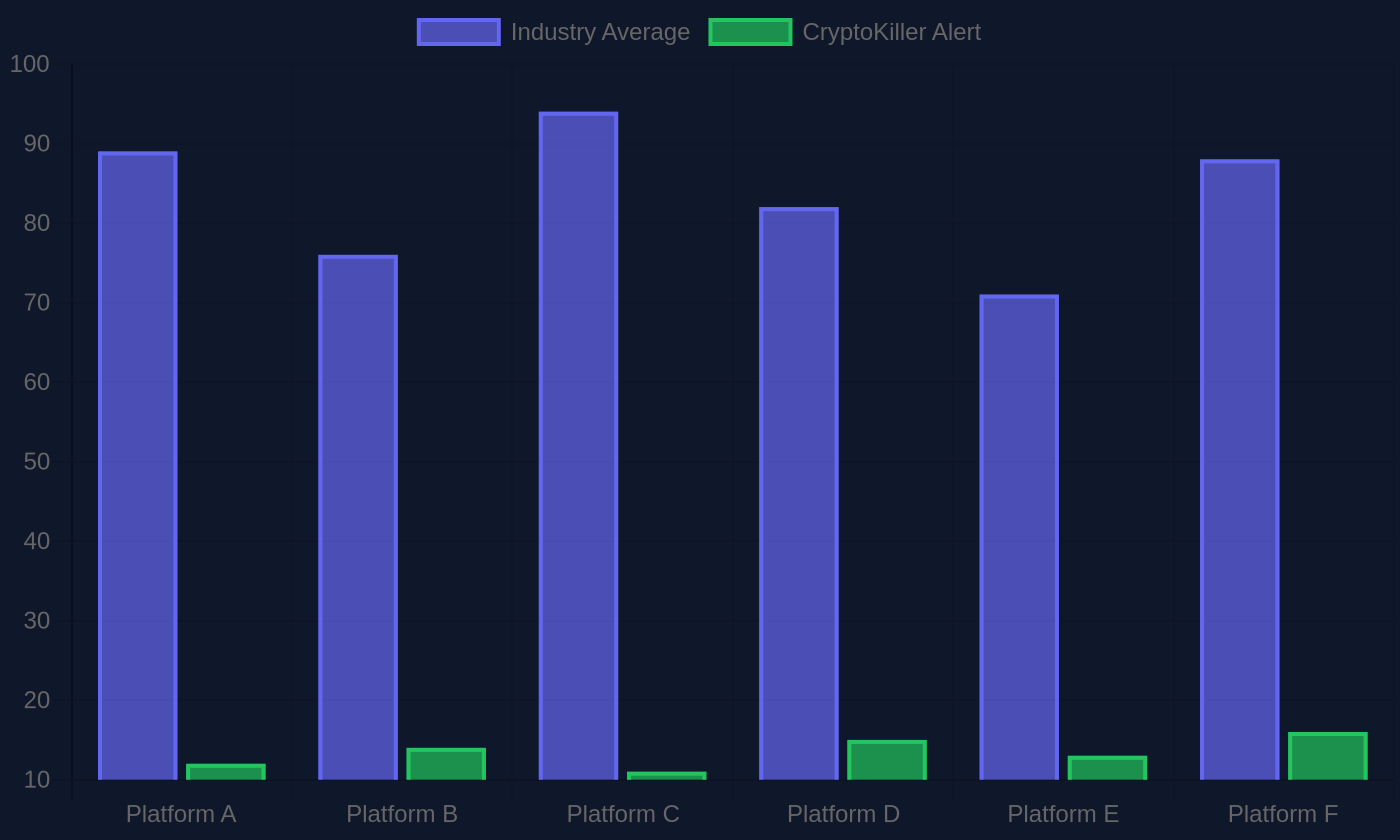
Report a crypto scam to three intake channels depending on your jurisdiction: the FTC, the FBI's IC3, and Action Fraud in the UK. Each routes your report to a different destination, and none guarantees fund recovery.
FTC reports feed into law enforcement databases. Consumer complaints contributed to the agency's finding that victims reported losing more than $1 billion in cryptocurrency to scams since 2021, according to the FTC. File at reportfraud.ftc.gov.
IC3 is the primary federal intake for crypto fraud in the United States. File within 72 hours of the loss; early reports give investigators a better chance to trace funds before they move through mixers. UK victims report to Action Fraud instead.
What happens when you submit to CryptoKiller
CryptoKiller's submission form routes credible new scams into our investigation queue. Submitted brands join the 12,695 scam brands tracked and get scored against the 105,980 ad creatives analyzed to date.
The SEC's investor alert on crypto scams warns that new fraudulent platforms launch faster than watchdogs can catalogue them, and specifically cautions investors to verify license numbers directly against regulator records rather than trusting details supplied by the platform itself.
— SEC Office of Investor Education and Advocacy, Investor Alert: Watch Out for Crypto-Related Scams, investor.gov, SEC
Can You Recover Money Lost to a Platform on This Scam List?
Recovery prospects depend on how the funds left your control, and the honest answer is grim for on-chain losses. Cryptocurrency sent directly to a scammer's wallet is almost never recoverable without law enforcement action to freeze and seize the destination address. Consumers reported losing more than $1 billion to crypto scams since 2021, according to the FTC.
Three avenues carry real, if narrow, chances of recovery:
- Law enforcement freezes — file with the FBI's IC3 immediately; speed determines whether funds are still traceable.
- Credit card chargebacks — disputes on fiat deposits to fake exchanges succeed in some jurisdictions when the deposit used a card.
- Civil litigation — viable only when a defendant and assets are identifiable, which most anonymous operators are not.
Beware the Second Scam
Recovery scam operators target prior victims specifically, harvesting names from breach data and complaint forums. Any unsolicited offer to recover your funds for an upfront fee is a second scam.
When This Guide Does NOT Apply
This article is not for you if you have already lost funds and are searching for recovery options — the list is preventive intelligence, not a recovery guide; see our dedicated recovery scam warning at /blog/asset-recovery-scam instead. It also does not apply if you are researching a specific named platform and need a full investigation report — navigate directly to /review/ entries for per-brand forensic detail. Readers already verifying every exchange against FCA, SEC, and ASIC registries before depositing are past the baseline this article covers.
Frequently Asked Questions
Is there an official government list of crypto scams?
No single global registry exists. The FTC, SEC, FCA, and ASIC each publish separate warning lists covering their jurisdictions, but coordination gaps leave gaps. Aggregator resources like CryptoKiller's 12,695-brand portfolio fill the void by consolidating cross-agency alerts, victim reports, and on-chain forensics into one searchable database that no regulator maintains alone.
How often is this crypto scam list updated?
The list undergoes rolling updates as new victim reports and regulatory alerts arrive, with formal audit cycles occurring at least monthly. Each entry's status—active, dormant, or shut down—reflects the most current investigation data. Real-time ingestion means newly flagged platforms appear within days, not weeks.
What should I do if I already sent money to a platform on this list?
Stop depositing immediately. Document every transaction, message, and URL you used. File reports with the FTC and FBI IC3 the same day. Contact your bank to dispute any fiat transfers—chargeback windows close within 60 to 180 days depending on your card issuer. Speed determines recovery eligibility.
How much money have people lost to crypto scams?
The FTC documented over $1 billion in losses between 2021 and mid-2022 alone. Global totals across all reported cases now reach tens of billions annually. Unreported losses are likely far larger, since many victims stay silent due to shame or regulatory confusion.
Can a crypto platform be removed from this scam list?
Yes. Platforms can be delisted if operators submit verifiable evidence of legitimacy that withstands forensic review, or if the operation is confirmed shut down with no active victim exposure. Status updates reflect resolution, not erasure—historical data remains for researcher access.
How do fake crypto exchanges avoid being shut down quickly?
Operators rotate domains weekly, register shell companies in offshore jurisdictions with lax oversight, and clone regulatory license numbers from legitimate firms. When enforcement tightens, they rebrand and migrate infrastructure. This shell-game cycle stretches operational windows from months into years.
What is a pig butchering scam and why does it dominate this list?
Pig butchering deploys long-term social engineering—typically via dating or messaging apps—where scammers build trust over weeks before persuading victims to deposit escalating sums into a fake exchange. The victim's access freezes once deposits peak. It dominates CryptoKiller's tracking because velocity and total loss per victim exceed other scam types significantly.
Sources

Prioritize CryptoKiller's scam investigations in your Google results.