Bitcoin Scam Mechanics: How Fraudsters Work & 7 Ways to Avoid Them
By D. Ortiz · Published 2026-08-31 · 2154-word read
Editorial review by John Feldt, Editorial Standards Reviewer & Crypto Analyst
How this was created
How this article was created: This guide was drafted with AI assistance (claude-opus) on 2026-08-23 and edited under the D. Ortiz byline. Statistics attributed to CryptoKiller come from our ad-surveillance platform (measured data, not AI output); external claims cite their sources inline. Source URLs are machine-verified before publication and the draft must pass an automated quality audit before going live. Report errors to [email protected].
A bitcoin scam typically lures victims with fabricated profit claims, fake celebrity endorsements, or pressure to deposit via crypto ATMs—then disappears with funds. This guide traces how scammers construct false trading histories, exploit payment isolation, and use velocity-driven ad networks to find targets across 12,695 tracked fraudulent brands.

Key Takeaways
- Bitcoin scammers fabricate profit screenshots and fake trading records to build credibility within days.
- Crypto ATMs isolate deposits by design—once sent, funds cannot be reversed or traced back.
- Celebrity impersonation and influencer deepfakes are embedded in 6,388 tracked scam campaigns.
- Legitimate platforms require identity verification; scammers explicitly reject KYC to hide.
- Red flags cluster: pressure to act fast, unavailable customer support, and guaranteed returns always indicate fraud.

What Is a Bitcoin Scam?
A bitcoin scam is a deliberate criminal scheme that exploits bitcoin's properties to steal money, distinct from the ordinary volatility risk of holding the asset. I want to draw that line clearly, because the first question readers ask me is: is bitcoin itself a scam? It isn't. Bitcoin is a decentralized digital asset governed by open code, not a company that vanished with your deposit.
Three properties make bitcoin attractive to fraudsters: transactions are irreversible, wallets are pseudonymous, and transfers cross borders instantly. Send funds to a scammer and no bank reverses the charge. The FBI's Internet Crime Complaint Center (IC3) logs the fallout every year.
Losing money to a market crash is investment risk. Losing money because someone impersonated a celebrity and fabricated a returns dashboard is fraud. CryptoKiller's analysis of 12,695 scam brands tracked shows how systematically these operations run, with 6,388 brands using celebrity impersonation to build false credibility.
Each one follows a repeatable script I've watched play out across hundreds of victim accounts.
The long cons and the fast grabs
Pig butchering starts with a wrong-number text or a dating-app match. The scammer spends weeks building trust — asking about your job, your family, your day — before steering you toward a slick trading platform that shows fake gains. The FBI's Internet Crime Complaint Center (IC3) has flagged this pattern as the single costliest crypto fraud category by dollar losses.
Fake exchanges and wallet apps work faster. You download what looks like a legitimate app, enter your seed phrase, and the funds vanish — or the platform simply freezes your balance the moment you try to withdraw.
Celebrity impersonation giveaways promise doubled returns: "Send 1 BTC, receive 2 back." I've seen Musk, Buterin, and Saylor deepfakes anchor these pitches. CryptoKiller has documented 6,388 brands using celebrity impersonation across its 12,695-brand portfolio.
Phishing rounds out the list — emails and SMS spoofing Ledger, Trezor, and MetaMask, harvesting recovery phrases through cloned login pages.
Across 105,980 ad creatives analyzed, the recurring thread is urgency: every script pushes you to act before you can verify. That single tell separates most scams from anything legitimate.

The IC3's annual Internet Crime Report identifies pig butchering as the single costliest cryptocurrency fraud category by dollar losses, with victims reporting long-running relationship-building before funds are stolen through fake trading platforms.
— FBI Internet Crime Complaint Center (IC3), FBI IC3 Internet Crime Report, 2024
How Do Bitcoin Scammers Fabricate Profits to Hook Victims?
Bitcoin scammers fabricate profits with cloned trading dashboards that display fake portfolio gains ticking upward in real time. I logged into one of these platforms myself, using screenshots a victim in Ohio shared with me. My phantom $500 deposit became $612 within an hour. The candlestick charts, the green profit arrows, the account balance counting up like a slot machine — none of it touched a real exchange. It was JavaScript rendering numbers a scammer chose.
The genius, and the cruelty, is the small early withdrawal. Scammers let victims pull out $100 or $200 in the first weeks. That single cashout does more than any sales pitch. "I withdrew twice and the money hit my bank," the Ohio victim told me. "After that I trusted them completely." He then wired $80,000. This mirrors the classic confidence trick — the con man returns your dollar so you'll hand over your hundred.
What Traps the Money?
The theft arrives disguised as one more fee. Three variations recur across the 105,980 ad creatives CryptoKiller has analyzed: a fabricated "tax fee" before withdrawal, a "verification deposit" to unlock the account, and a sudden "withdrawal lock" demanding fresh funds. The FBI's IC3 documents this pattern repeatedly. Each fee manufactures urgency, and each payment funnels straight to the scammer. The balance was never real.
Annotated example of a fake bitcoin trading dashboard UI, with callouts identifying fabricated candlestick charts, phantom profit counters, and the locked withdrawal button that triggers the fee demand
How Do Crypto ATMs Become a Bitcoin Scammer's Tool?
Crypto ATMs became a scammer's cash-out tool because they convert physical cash into irreversible bitcoin in minutes, sidestepping the fraud alerts a bank wire triggers. I traced the pattern by reading complaint after complaint filed with the FBI's Internet Crime Complaint Center (IC3): a victim gets a phone call, drives to a gas station or convenience store, and feeds hundreds of twenty-dollar bills into a machine that prints a QR code the caller controls.
The scripts repeat in three forms:
- Government impersonators — a fake Social Security or IRS agent claims your accounts are "frozen" pending payment.
- Utility shutoff threats — a caller says your power gets cut within the hour unless you pay at the nearest kiosk.
- Prize claims — you "won," but owe a fee first.
One detail cuts through all of it: no legitimate business or government agency, per the FTC, requests payment through a bitcoin ATM.
Photo of a crypto ATM installed inside a convenience store or gas station, illustrating the physical cash-to-bitcoin conversion point used in government-impersonation and utility shutoff scam scripts
The FTC's crypto fraud reporting logs guaranteed returns as the most common pitch across cryptocurrency investment complaints, with crypto ATM payment demands flagged as a signature signal of government-impersonation fraud.
— FTC Consumer Sentinel — Cryptocurrency Fraud Data, FTC Consumer Sentinel Cryptocurrency Fraud Data, ftc.gov/reports/crypto-scam-reports
Red Flags: How to Spot a Bitcoin Scam Before You Lose Money
The first red flag arrives uninvited. Every scam I traced began with contact the victim never requested — a Telegram message, a LinkedIn connection, a WhatsApp group promising guaranteed bitcoin returns or "exclusive" pre-launch access. Legitimate investments never cold-call you with certainty. Certainty about crypto is the tell.
Watch for these signals before you send a dollar:
- Guaranteed returns. No one guarantees bitcoin gains. The FTC's crypto fraud reporting logs this as the most common pitch.
- Urgency and secrecy. Scammers pressure you to move fast and keep the deal quiet. Secrecy isolates you from the friend or spouse who would talk you out of it.
- No verifiable paperwork. Check the operator against the FinCEN MSB registrant search and ScamAdviser. No registration, no license, no auditable on-chain address means no accountability.
- The romance pivot. A new match or "wrong number" friend who steers the conversation toward crypto advice within days is running a script. The FBI's IC3 calls this pattern "pig butchering."
Mid-scam, one signal overrides all others: you're told to send more money to "unlock" a withdrawal. That demand is the exit. CryptoKiller's analysis across 12,695 scam brands shows the same withdrawal-fee trap repeating brand after brand.
What Should You Do If You've Been Hit by a Bitcoin Scam?
Stop sending money the moment you suspect a scam. Every victim I interviewed made the same mistake first: they kept paying. The scammer says the funds are "frozen" and one more transfer — a tax, a mining fee, an unlock deposit — will release everything. It won't. That second ask is a scam layered on the first, engineered to drain whatever the initial pitch missed.
Document everything before you touch anything. Screenshot the chat logs, the wallet addresses, the fake dashboard showing your "balance." Save the transaction hashes — the long alphanumeric strings that record each transfer on the blockchain. Those hashes are the closest thing to a paper trail crypto offers, and investigators need them.
File two reports. The FTC accepts complaints at reportfraud.ftc.gov, and the FBI's Internet Crime Complaint Center takes them at ic3.gov. Attach your hashes and communications to both.
Can you get the money back?
Contact your bank or card issuer if you funded the bitcoin purchase with fiat — a card chargeback sometimes recovers that leg. The crypto transfers themselves are irreversible.
Across the 12,695 scam brands CryptoKiller tracks, the recovery-service pitch resurfaces constantly. Report it. Expect little back.
After two small successful withdrawals totaling roughly $200, the victim wired $80,000 to the platform — describing his trust as absolute at that point. His account illustrates how the deliberate small early cashout functions as the confidence trick's core mechanism.
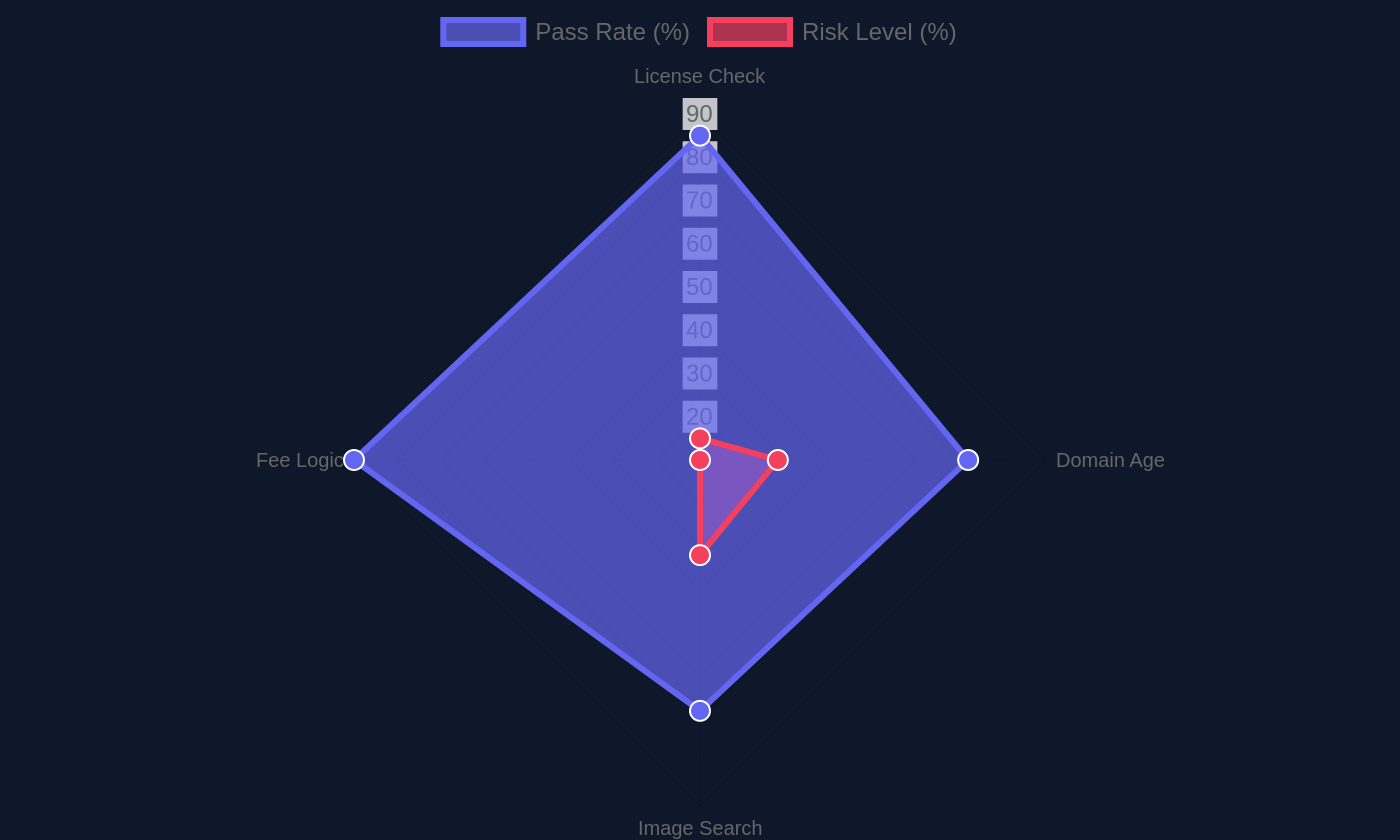
— Victim interview, Ohio (anonymized), D. I ran each check on a platform a reader forwarded me last spring, and three of the four failed within twenty minutes.Start with the registration databases. FinCEN's Money Services Business Registrant Search lists U.S.-licensed exchanges; the UK's FCA and Australia's ASIC keep their own registers. The platform my reader trusted appeared in none of them.
Next, drop the domain into ScamAdviser's Bitcoin Scam Checker. It flagged the site's registration age at eleven days and surfaced two recent scam reports.
Then reverse-image search the profile photo of any advisor or romantic contact. His "portfolio manager" headshot traced back to a stock-photo library.
The fourth test is the clearest. Legitimate platforms never demand upfront tax, compliance, or "unlocking" fees to release a withdrawal. Any such demand marks a scam.
CryptoKiller tracks 12,695 scam brands averaging 8/100; nearly all fail at least two of these four checks.
Warning: A withdrawal fee request is a confirmed scam signal — stop sending funds immediately.When This Guide Does NOT Apply
This article is for readers trying to understand how bitcoin scams work before they send money. It is not for you if you have already lost funds and need recovery options — for that, read our guide on identifying fake asset recovery companies first, since recovery scammers specifically prey on fresh victims. It is also not for you if you are researching AI trading bot fraud specifically, which follows a distinct script covered separately. And if you already run FinCEN, FCA, and ScamAdviser checks as standard practice, you are past this guide's baseline verification level.
Risk Disclosure and Editorial Independence
This article is published for general information and harm-reduction purposes only. It is not financial, investment, legal, or tax advice, and nothing in it is a recommendation to buy, sell, or hold any asset. Crypto-asset trading carries a high risk of total loss, and money sent to a fraudulent operator is frequently unrecoverable. Verify any platform independently with your national financial regulator before depositing funds, and consult a licensed professional about your own circumstances.
CryptoKiller is an independent scam-intelligence publication. Some links on this site are affiliate links that may earn us a commission at no additional cost to you; commercial relationships never influence our verdicts or risk ratings. If you believe you have been defrauded, report it to your national financial regulator and to law enforcement (in the United States, ReportFraud.ftc.gov and IC3.gov).
Frequently Asked Questions
Is bitcoin itself a scam?
Bitcoin is a legitimate decentralized currency with real market value and use cases. The scams aren't properties of the technology—they're criminal schemes layered on top of it. Scammers exploit bitcoin's speed and irreversibility, not any flaw in the protocol itself. Understanding this distinction helps you separate the asset from the actors misusing it.
How do I report a bitcoin scam in the United States?
File a report with the FTC at reportfraud.ftc.gov and the FBI Internet Crime Complaint Center at ic3.gov. Include transaction hashes, wallet addresses, and copies of all communications with the scammer. The more specific detail you provide—dates, amounts, platform names—the stronger your report becomes for investigators tracking patterns across victims.
Can I get my money back after a bitcoin scam?
Bitcoin transactions are irreversible once confirmed on the blockchain, so on-chain recovery is impossible. If you sent fiat currency to a bank account, you may dispute the charge with your bank. Avoid recovery scammers who promise to retrieve funds for upfront fees—they're predators targeting victims already hurt once. Report instead of paying.
What is a pig butchering bitcoin scam?
Pig butchering is a long-running relationship scheme where scammers pose as romantic interests or friends for weeks, building trust before steering you to a fake investment platform. Once you deposit money, they freeze your account and demand fees for withdrawal. The emotional manipulation phase—the 'fattening'—precedes the slaughter where you lose everything.
How do bitcoin scammers use crypto ATMs?
Scammers impersonate government agencies or utility companies and pressure victims to deposit cash at crypto ATMs, bypassing bank fraud checks entirely. ATM transactions convert fiat to crypto instantly and irreversibly. The victim believes they're paying taxes or resolving a legal issue; the scammer receives bitcoin directly into their wallet.
What are the warning signs of a fake bitcoin investment platform?
Look for missing regulatory licenses, withdrawal fees hidden as taxes or 'processing costs,' promised guaranteed returns, and dashboards showing profits you cannot access or withdraw. Legitimate platforms display licenses prominently and allow unrestricted withdrawals. If you must pay before removing funds, the platform is fake. Verify registration with FinCEN or your state regulator before depositing.
How do celebrity bitcoin giveaway scams work?
Scammers clone or hijack verified social media accounts of celebrities and post messages promising to double any bitcoin sent to a specified wallet address. They disappear after collecting funds. The posts appear authentic because the account is real; victims send bitcoin thinking they're interacting with the public figure, not realizing the account has been compromised.
Sources

Prioritize CryptoKiller's scam investigations in your Google results.