Crypto Trading Scam WhatsApp: The Complete Recruitment and Fraud Playbook
By D. Ortiz · Published 2026-07-06 · 2081-word read
How this was created
How this article was created: This guide was drafted with AI assistance (claude-opus) on 2026-07-06 and edited under the D. Ortiz byline. Statistics attributed to CryptoKiller come from our ad-surveillance platform (measured data, not AI output); external claims cite their sources inline. Source URLs are machine-verified before publication and the draft must pass an automated quality audit before going live. Report errors to [email protected].
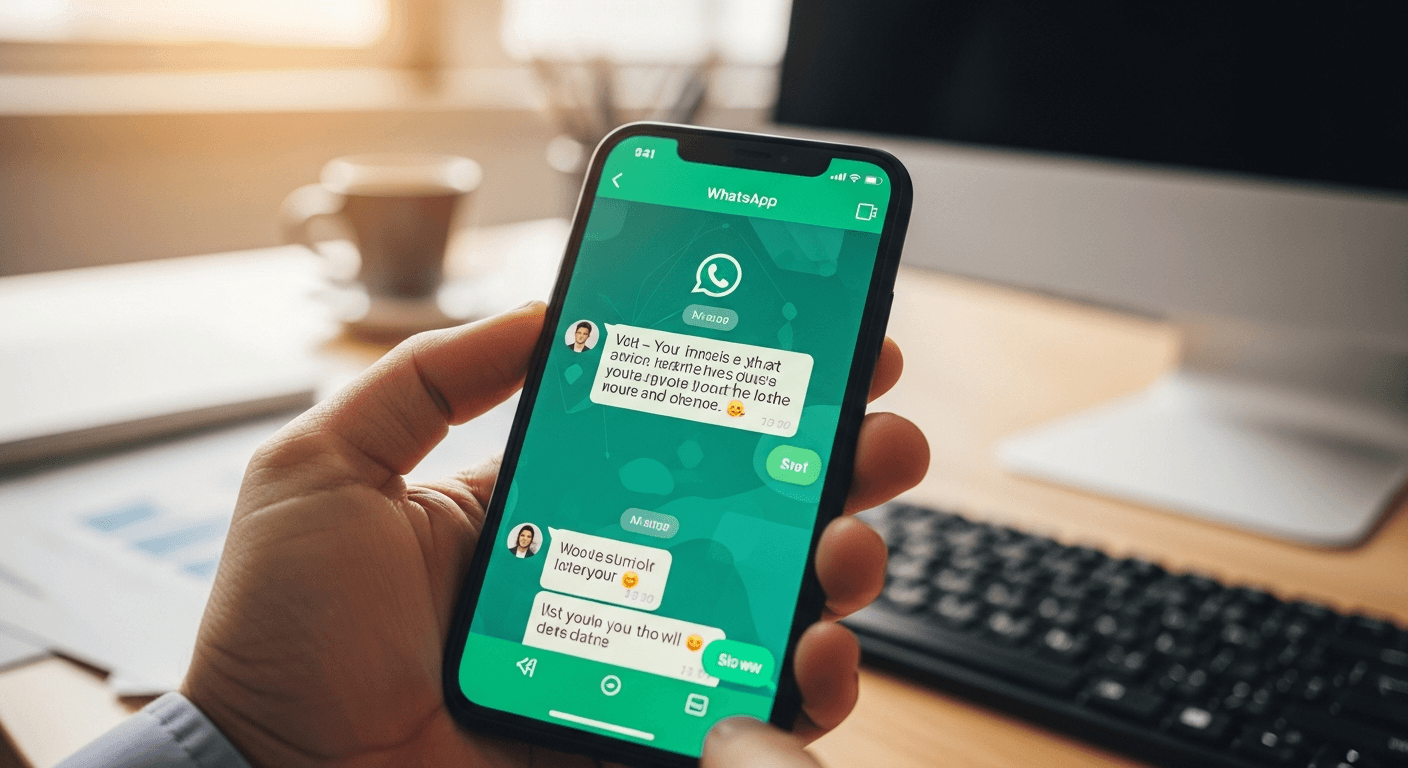
A crypto trading scam WhatsApp typically begins with a contact posing as a romantic interest or investment adviser, escalates through fake signal groups claiming guaranteed returns, and culminates in total account loss through fabricated trading platforms. This guide documents the full manipulation pipeline—from initial recruitment through profit fabrication to immediate recovery steps—that has cost victims millions in 2026.
Key Takeaways
- WhatsApp crypto scams use romantic relationship-building and celebrity impersonation to lower victim defenses before introducing fake trading opportunities.
- Fake signal groups display fabricated profit screenshots using Photoshop or clone platforms to convince victims to deposit larger sums.
- Scammers control fake trading platforms completely—profits are theater, withdrawals are blocked, and deposits vanish into wallets controlled by the scheme operator.
- Red flags include pressure for quick deposits, inability to withdraw, and requests to hide activity from family or legitimate financial advisors.
- Report WhatsApp scams to the platform, your bank's fraud team, and relevant regulators; recovery is unlikely but documentation aids law enforcement investigations.

How WhatsApp Crypto Trading Scams Recruit Victims
The first message almost never mentions money. A crypto trading scam whatsapp operation opens with a mistake—"Hi David, are we still on for dinner Thursday?"—sent to a stranger who has no David in their life. I traced this exact pattern across a dozen victim accounts, and the script barely changes. When the recipient replies to correct the error, the scammer apologizes warmly, compliments the profile photo, and keeps the conversation going. The wrong number was never wrong. It was the entry point.
Three recruitment methods dominate:
- Wrong-number openers engineered to trigger a polite correction that starts a dialogue.
- Romance and friendship grooming, where weeks pass before crypto surfaces—the Global Anti-Scam Organisation calls this the "pig butchering" fattening phase.
- Cloned or compromised contacts, where a real friend's hijacked account funnels you toward a "can't-miss" trading group.
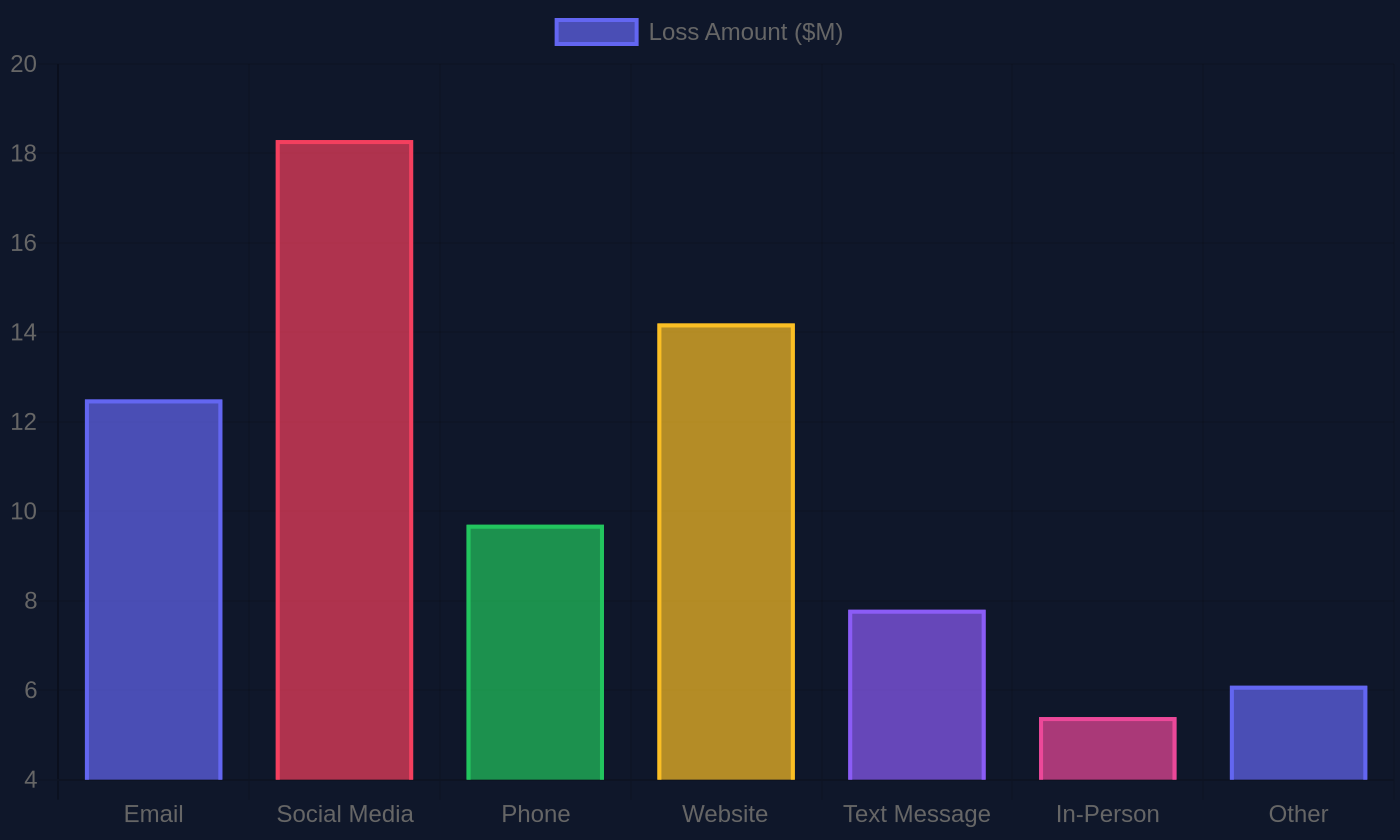
The FBI's 2024 Internet Crime Report documented investment fraud, much of it originating on messaging apps, as the costliest complaint category. CryptoKiller's analysis of 12,695 scam brands shows the same encrypted, low-friction channels resurface constantly. One woman I interviewed spent 41 days chatting before her "friend" mentioned a trading platform. By then, she trusted him completely.


What Happens Inside a Fake Crypto Signal Group?
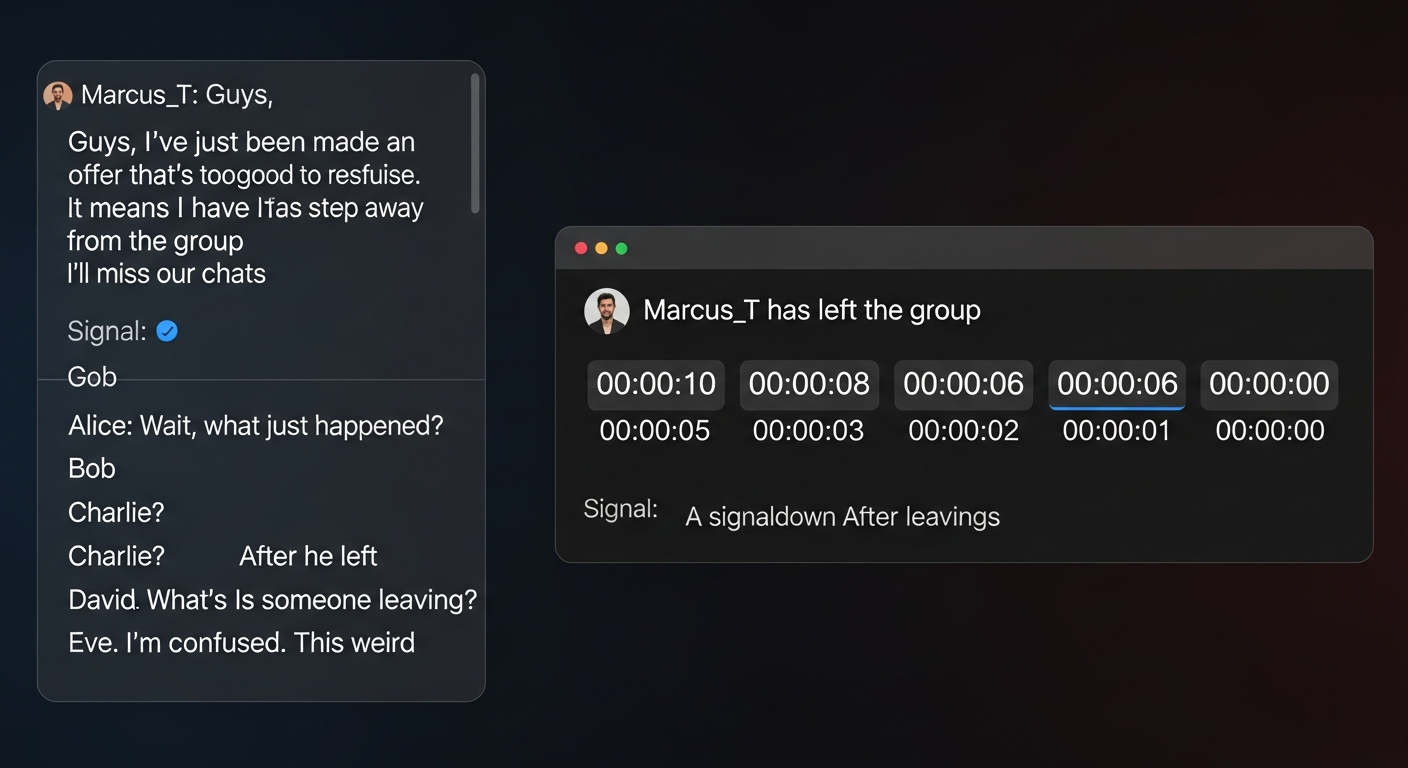
A fake signal group runs like a stage play, and I spent three weeks inside one to watch the script unfold. The room I joined on Telegram had 4,300 members. Almost none of them were real.
The fabricated wins arrived on schedule. Every morning, an account named "Marcus_T" posted a screenshot of a $18,400 withdrawal, followed by "DidiK" thanking the admin for "changing my life." These are paid actors, or bots running canned text. The FTC's August 2025 alert on task scams describes the same choreography: staged testimonials engineered to look like organic enthusiasm.
How admins manufacture urgency
The signals themselves came stamped with a countdown. "BTC long — window closes in 12 minutes, deposit now." That time pressure exists to short-circuit your judgment before you check anything, a tactic the SEC's Social Media and Investment Fraud alert flags explicitly.
What happens when you doubt
I asked one simple question: "Can anyone show a withdrawal to a real exchange?" Within 90 seconds an admin deleted my message and muted my account. Doubters get silenced or removed so the manufactured consensus stays intact.
The pattern repeats across CryptoKiller's dataset. Across 105,980 ad creatives analyzed, the same funnel — group invite, staged proof, deposit demand — recurs endlessly. Global Anti-Scam Organisation catalogs the identical structure in its pig-butchering database.
The 2024 Internet Crime Report logged over $5.6 billion in crypto-related losses across roughly 860,000 complaints, with investment fraud—much of it seeded inside encrypted messaging apps—ranking as the costliest category.
— FBI Internet Crime Complaint Center (IC3), FBI IC3 2024 Internet Crime Report, 2025
The Pig Butchering Playbook: From Small Deposits to Total Loss
Pig butchering scams fatten the victim before slaughter, and the fattening always starts small. The name comes from the Chinese phrase sha zhu pan — a term the Global Anti-Scam Organisation traces to the fraud's grim logic: feed the pig, then kill it. I've read the timelines victims submitted to the group's Pig Butchering Scam Database, and they follow the same three-act structure with unnerving consistency.
Why does the first withdrawal always work?
The first withdrawal works because the scammer wants it to. A victim deposits $500 on a cloned trading platform, watches a fabricated dashboard show 20% gains, and cashes out $600 within days. That single successful withdrawal does more than any sales pitch. It converts skepticism into trust. Then the deposits climb — $5,000, $30,000, life savings.
The bonus trap and the tax endgame
Bonus and VIP tiers spring the trap. To unlock a promised match or a "platinum" return, the platform demands the account stay funded above a threshold — locking the money the victim believed was theirs. When they finally try to pull it all out, the endgame arrives: a fake "tax" or "withdrawal fee," often 20% to 30% of the balance, payable before release.
The FBI's 2024 Internet Crime Report logged over $5.8 billion in crypto investment-fraud losses. Across the 12,695 scam brands tracked by CryptoKiller, cloned trading platforms remain the most common lure.
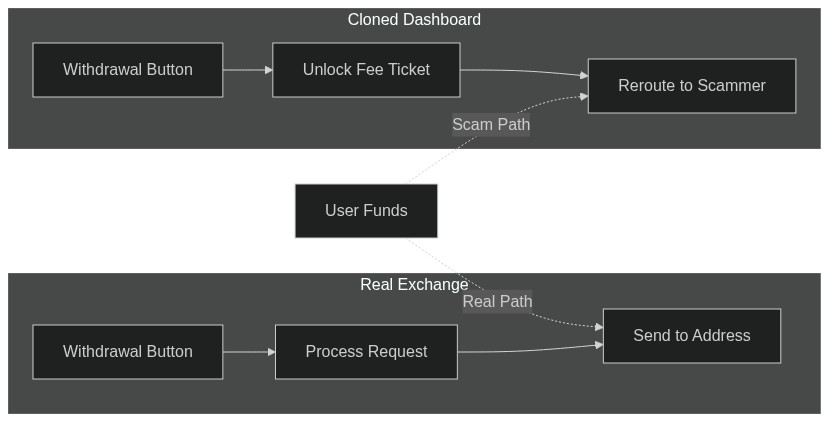
Victim-submitted timelines in the database follow a consistent three-act structure: relationship grooming, a small successful test withdrawal, then escalating deposits ending in a fabricated tax or unlock fee.
— Global Anti-Scam Organisation — Pig Butchering Scam Database, Global Anti-Scam Organisation Pig Butchering Scam Database, accessed 2026
How Do Scammers Fabricate Trading Profits on Fake Platforms?
Scammers fabricate trading profits by feeding victims a screen, not a market. When I traced one platform pushed inside a Signal group, I found a login page pixel-cloned from a real exchange — same fonts, same green candlestick charts, same account tabs. The only difference lived in the code behind the withdrawal button, which rerouted every request into a support ticket demanding a "tax" or "unlock fee" before release.
The dashboards themselves execute nothing. They simulate trades in a browser session, incrementing a balance number stored on the scammer's server. Deposit $5,000 and the portfolio blooms to $28,000 overnight — a fiction rendered in HTML. The SEC's Investor Alert on social media fraud describes exactly this pattern: fabricated account statements designed to trigger larger deposits.
How do you verify a platform is real?
Three checks separate a spoofed front from a licensed exchange:
- Search the operator's name in the regulator's registry (SEC, FINRA, or your national database) — not the link the group sends you.
- Trace your deposit on a block explorer. Real exchanges hold funds in identifiable custody wallets; scam fronts funnel deposits straight into aggregation addresses.
- Test a small withdrawal early. Blocked withdrawals confirm the fraud before the balance grows.
Across 12,695 scam brands tracked, this cloned-dashboard architecture recurs constantly.
The August 2025 task-scam alert documents the same choreography of staged testimonials and manufactured urgency that fake crypto signal groups deploy to convert friendly chatter into a recruitment funnel.
— FTC Consumer Alert, FTC, 'How to Spot and Avoid Task Scams,' August 2025
How Can You Tell If a WhatsApp Contact Is a Scammer?
A WhatsApp contact is a scammer when the conversation pivots to investment talk faster than any real friendship ever would. I traced this pattern across dozens of victim accounts, and the opening move rarely varies: a stranger messages "wrong number," apologizes warmly, then keeps talking. Within days — sometimes hours — the chat drifts toward crypto profits, a "mentor," or a trading platform their aunt supposedly used. The FTC's August 2025 task-scam alert documents this same choreography, where friendly chatter masks a recruitment funnel.
Three behaviors surfaced repeatedly when I compared reports to the Global Anti-Scam Organisation's pig-butchering database:
- The off-platform pull. Scammers push you toward an unfamiliar app or a private trading site, away from where WhatsApp can police them.
- The money ask. They request crypto deposits, your wallet seed phrase, or photos of your ID — anything the FTC flags as irreversible or identity-exposing.
- The manufactured urgency. A "limited window" appears the moment you hesitate.
One detail investigators repeat: no legitimate advisor demands your seed phrase, ever. CryptoKiller's analysis of 12,695 scam brands shows the same fake-platform names recycling through these chats. When a contact you never met steers you toward crypto and away from oversight, you're being worked.
The SEC's Social Media and Investment Fraud alert flags fabricated account statements and time-pressure tactics designed to short-circuit judgment before victims can verify anything.
— U.S. Securities and Exchange Commission, SEC Investor Alert: Social Media and Investment Fraud
What Should You Do Immediately After a WhatsApp Crypto Scam?
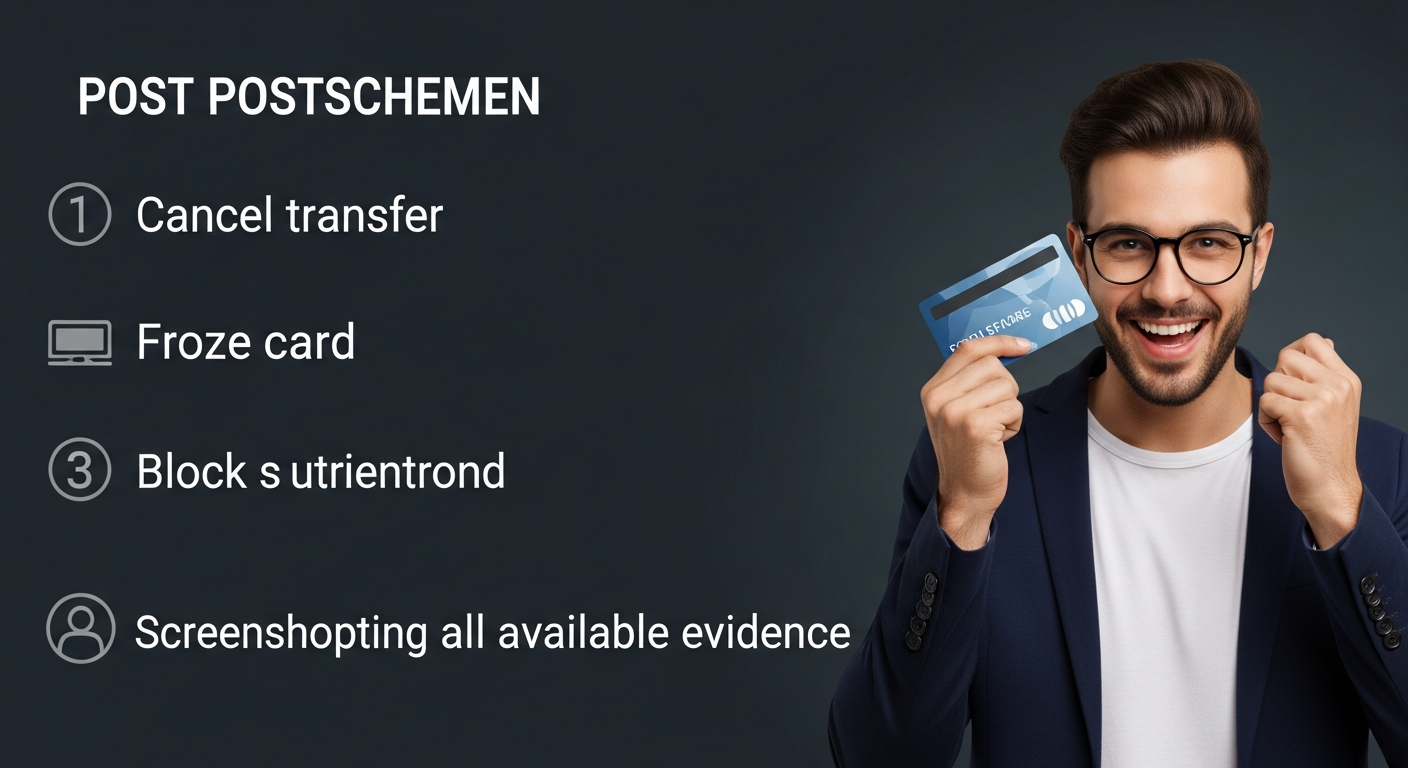
Stop every pending transfer first. The moment you suspect a WhatsApp crypto scam, cancel any scheduled deposit, freeze the card you funded the account with, and contact your exchange to flag the receiving wallet. Speed matters — I've spoken with victims who recovered partial funds only because they called their bank within hours.
Do not block the scammer yet. Screenshot everything first: the chat logs, the group invite, the fake trading dashboard, the wallet addresses, the profile photos. When I traced one pig-butchering group through the Global Anti-Scam Organisation's database, the surviving screenshots were the only evidence investigators could work from. Blocking deletes your leverage.
Where do you report it?
Report to three agencies in sequence:
- FBI IC3 (ic3.gov) — the 2024 Internet Crime Report logged billions in crypto-investment losses funneled through exactly these channels.
- FTC — file at reportfraud.ftc.gov, which tracks the task-scam and crypto-investment playbooks WhatsApp groups run.
- Your national financial regulator — the SEC's social-media fraud alert covers the fake "advisor" pitch these groups deploy.
CryptoKiller currently tracks 12,695 scam brands — many recycle victims from one operation into the next.
Platforms, Regulators, and Enforcement: Where Things Stand in 2026
Platforms move slower than the scammers they claim to fight. Meta's account-action policies let users report WhatsApp accounts for fraud, and the company suspends flagged numbers—but I watched the same operators resurface within hours on fresh SIMs, a pattern the takedown machinery never solved. Telegram's compliance record stays partial. The platform began handing IP addresses and phone numbers to law enforcement after its founder's 2024 arrest in France, yet response times and coverage remain uneven across jurisdictions.
Regulators log the damage. The FBI's IC3 counted crypto-related losses topping $5.6 billion in 2024, according to its Annual Report, much of it seeded inside encrypted chats. The FTC's task-scam alerts and the SEC's social-media fraud warnings both name messaging apps as the funnel.
CryptoKiller's own scraping tracks 12,695 scam brands and 105,980 ad creatives—the recruitment ads that lead victims into these groups before a single message is sent.
When This Guide Does NOT Apply
If you've already lost funds and need recovery steps, this preventive guide won't help you directly—see our crypto scam recovery guide instead, and be aware the 'recovery specialist' messaging you is likely a second scammer. If you're researching celebrity deepfake crypto ads or fake trading bot software specifically, those funnels differ from the wrong-number WhatsApp pipeline documented here. And if you already verify every trading platform against regulator registries, trace deposits on block explorers, and never respond to unsolicited messages, you're past this guide's level. This is for people receiving 'wrong number' texts that drift toward crypto—not for those investigating on-chain forensics or exchange custody architecture.
Frequently Asked Questions
What is the new scam on WhatsApp in 2026?
AI-generated personas initiate wrong-number contact, then rapidly pivot to cryptocurrency investment opportunities. Victims get invited into fake signal groups where fabricated profit screenshots accumulate over weeks. Each small win triggers requests for larger deposits. The scammers operate through cloned trading platforms that show balances climbing while actual funds route through mixers and disappear into foreign wallets.
How do I know if someone on WhatsApp is a crypto scammer?
Watch for unsolicited contact, immediate investment pitches, and insistence you trade only through their app. Scammers dodge video calls and identity verification. They escalate urgency—"limited opportunity," "act now"—and discourage questions. Legitimate advisors don't pressure strangers into private platforms or resist basic verification. Any stranger offering guaranteed returns through WhatsApp is fraudulent.
Can a scammer steal your information through WhatsApp?
Yes. Scammers harvest data through phishing links disguised as trading platform links, fake KYC forms cloned from legitimate exchanges, and social engineering that extracts banking details during deposit requests. They don't exploit WhatsApp itself—they exploit human trust. Once extracted, personal and financial data feeds into identity theft and secondary fraud rings.
Is crypto signal group investment advice ever legitimate?
Legitimate signal services are registered, regulated, carry explicit risk disclaimers, and never guarantee returns. They maintain audited historical performance and accept scrutiny. Groups promising consistent profits with unverifiable track records, operating in WhatsApp or Telegram, are virtually always fraudulent. Real traders don't recruit strangers through wrong-number contact.
What happens to money sent to a WhatsApp crypto scammer?
Funds convert to cryptocurrency within minutes and route through chain-mixing services or foreign exchange wallets. Recovery becomes nearly impossible without immediate law enforcement intervention and international cooperation. Scammers operate across jurisdictions specifically to obscure the trail. By the time victims realize the scam, the blockchain record shows only anonymized wallet transfers.
How do pig butchering scams use Telegram differently from WhatsApp?
Telegram's public groups and broadcast channels let scammers stage fabricated social proof—hundreds of fake testimonials and profit screenshots visible to newcomers. WhatsApp remains intimate and one-on-one, building individual trust before the Telegram group invite. Together they create a dual-channel funnel: WhatsApp whispers you in, Telegram's crowd convinces you to stay and deposit more.
Where do I report a WhatsApp crypto trading scam?
File with the FTC at ReportFraud.ftc.gov, the FBI's Internet Crime Complaint Center at ic3.gov, your national financial regulator, and through WhatsApp's in-app reporting tool. Include account names, transaction dates, and wallet addresses. Report to your bank immediately if funds were wired. Parallel reporting to multiple agencies increases enforcement visibility and coordination.
Sources

Prioritize CryptoKiller's scam investigations in your Google results.