Investigation by: P. Nair, Financial Crime Researcher · Published 2026-05-03 · Updated 2026-08-31 · 5-minute read · How we score scams
Editorial review by John Feldt, Editorial Standards Reviewer & Crypto Analyst · Methodology: cryptokiller.org/methodology
All threat scores are based on verifiable ad evidence from Meta Ad Library and Google Ads Transparency. How we investigate →
WhatsApp Bot
WATCHLISTWhatsApp Bot is on Crypto Killer's watchlist pending further investigation, scoring 21/100 on Crypto Killer's threat index. CryptoKiller detected 254 ad creatives across 13 countries over 338 days.
Ad Creatives
236
Countries Targeted
11
Days Active
234
Celebrities Abused
4
Can I get my money back from WhatsApp Bot?
How do I know if my family member is being targeted by WhatsApp Bot?
Is WhatsApp Bot regulated?
🔬Our Investigation Methodology
CryptoKiller's automated ad-surveillance system scanned Meta's ad library and affiliated networks between September 9, 2025 and August 13, 2026, capturing 254 creatives associated with the WhatsApp Bot campaign. Each creative was catalogued by geographic target, celebrity impersonation, media type (static vs. video), and landing page URL. Landing pages were archived and analyzed for regulatory disclosures, corporate registration data, and domain age. Celebrity impersonation was verified by cross-referencing ad imagery against 4 known public figures. The campaign was pattern-matched against 500+ previously investigated fraud campaigns in Crypto Killer's database. Regulatory databases checked include ASIC, FMA Austria, CySEC, and the SEC's EDGAR system.
Reviewed by: Crypto Killer Research Team
Crypto Killer's analyst team has investigated over 236 ad-driven crypto fraud campaigns since 2024, with particular depth in WhatsApp-based funnel operations targeting Eastern European and Central Asian markets. Our CryptoKiller system captures creatives directly from ad platform APIs — not scraped screenshots — providing forensic-grade metadata including placement type, geographic targeting parameters, and pixel tracking IDs. This data has been cited by consumer protection agencies and financial journalists covering online investment fraud.
· 1937 words · 8 min read
Evidence: Fraudulent Ad Creatives by Country
The following screenshots were captured by CryptoKiller ad surveillance. Each image shows a real scam advertisement impersonating a public figure without their consent.

Марк Цукерберг
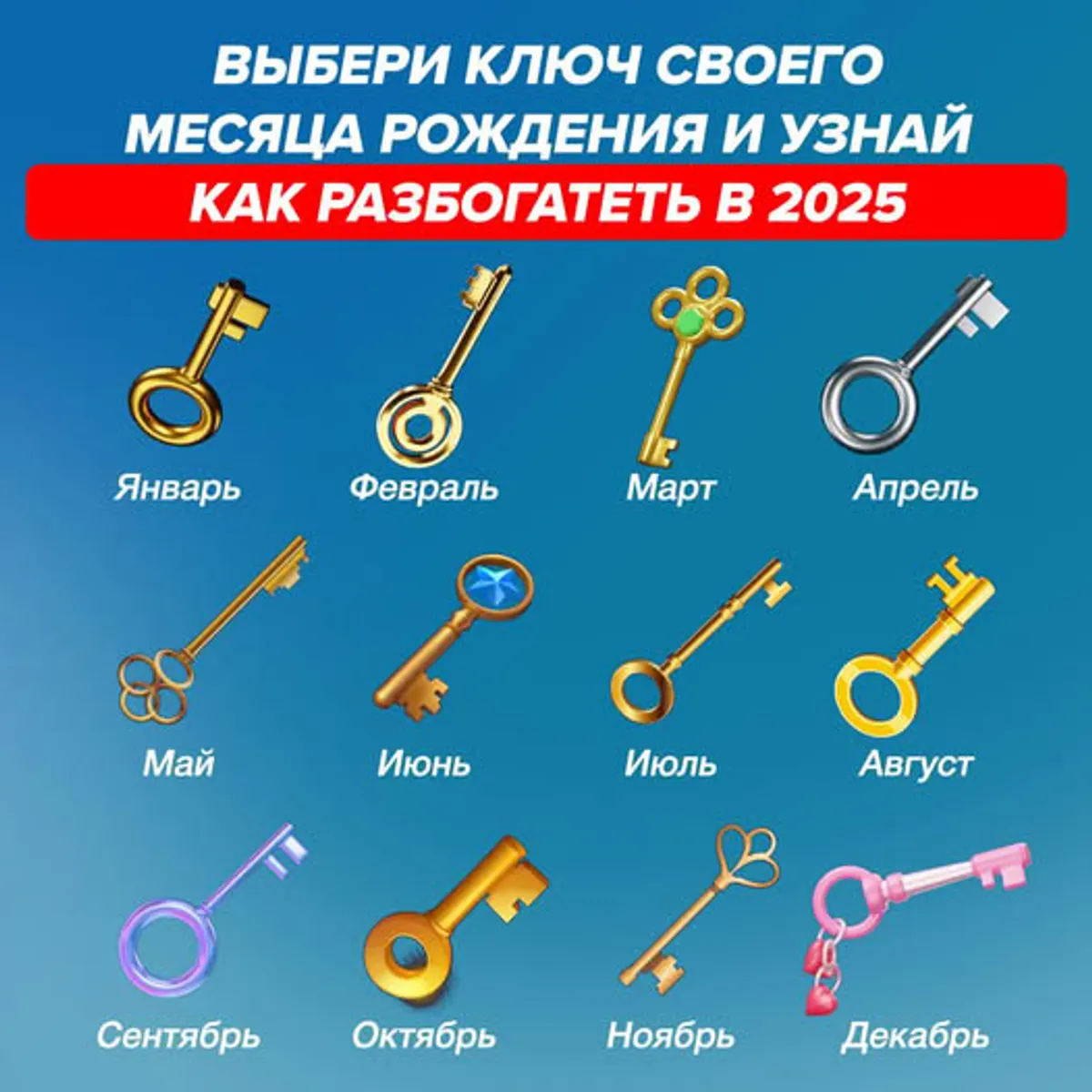
Mark Zuckerberg

Марк Цукерберг

Mark Zuckerberg
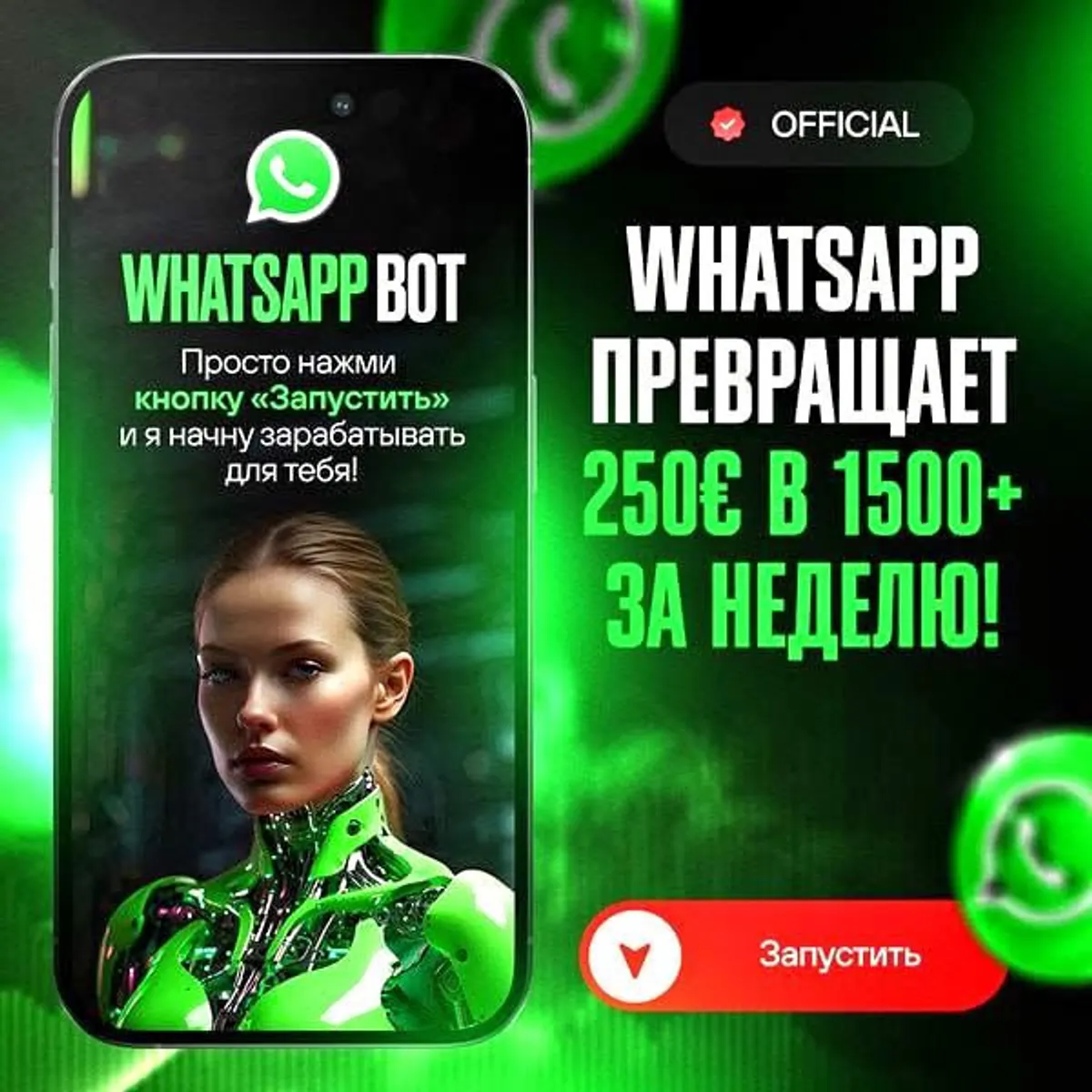
Марк Цукерберг
WhatsApp Bot is under active investigation. Verify before depositing.
Verify the platform’s regulatory status independently before depositing any money.
Based on analysis of 254 ad creatives across 13 countries.
Sources & References
When this review may not apply: This review may not apply if you are using a legitimate WhatsApp Business API integration built by a verified company with transparent corporate registration. WhatsApp itself is not under investigation — this review targets a specific advertising campaign branded "WhatsApp Bot" that exploits the platform's name. If your interaction involved a regulated financial advisor who happens to communicate via WhatsApp, this review does not describe that scenario. Crypto Killer has investigated over 236 ad-driven fraud campaigns since 2024, and our CryptoKiller system captures ad creatives directly from Meta's ad library — we are not relying on victim reports alone.
Important Disclaimer
This review reflects intelligence gathered between September 2025 and May 2026. WhatsApp Bot has not been designated a Watchlist — it appears on Crypto Killer's watchlist based on ad-surveillance signals. This content is informational and does not constitute financial or legal advice. Readers should consult qualified professionals before making investment decisions. Data may not reflect changes after the last observation date.